
拖延症不是时间管理问题 , 是情绪管理问题 。

文章图片
今天的双语短文Meeloun带大家了解拖延症 , 解决拖延症 。
Ways to Overcome Procrastination
克服拖延症的方法
文章图片
认识拖延症
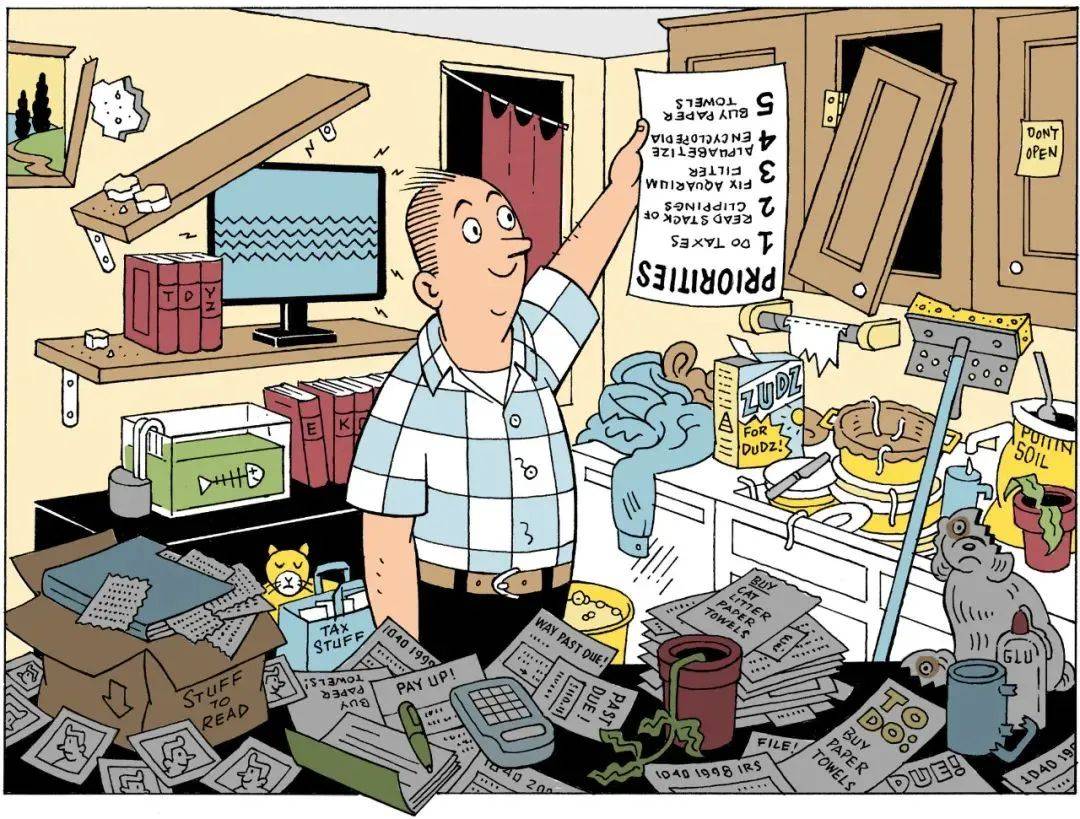
Procrastination is not a time management problem; rather, it's likely due to difficulty managing negative feelings like boredom or anxiety.
拖延症不是时间管理的问题;相反 , 这可能是因为难以管理无聊或焦虑等消极情绪才导致的 。
But avoiding negative emotions—and important tasks—tends to lead to much worse outcomes in the long run, including more stress and regret.
但是从长远来看 , 避免消极情绪和重要任务往往会导致更糟糕的结果 , 包括更多的压力和遗憾 。
Changing your mindset, rewarding yourself for progress, and letting go of perfectionism can all help you overcome procrastinating tendencies.
改变心态 , 奖励自己的进步 , 放弃完美主义 , 这些都能帮助你克服拖延倾向 。
In order to be on top of our game both personally and organizationally, we need to develop a growth mindset.
为了在个人和组织上都处于领先地位 , 我们需要培养一种成长心态 。
文章图片
Why procrastination?
为什么会拖延?
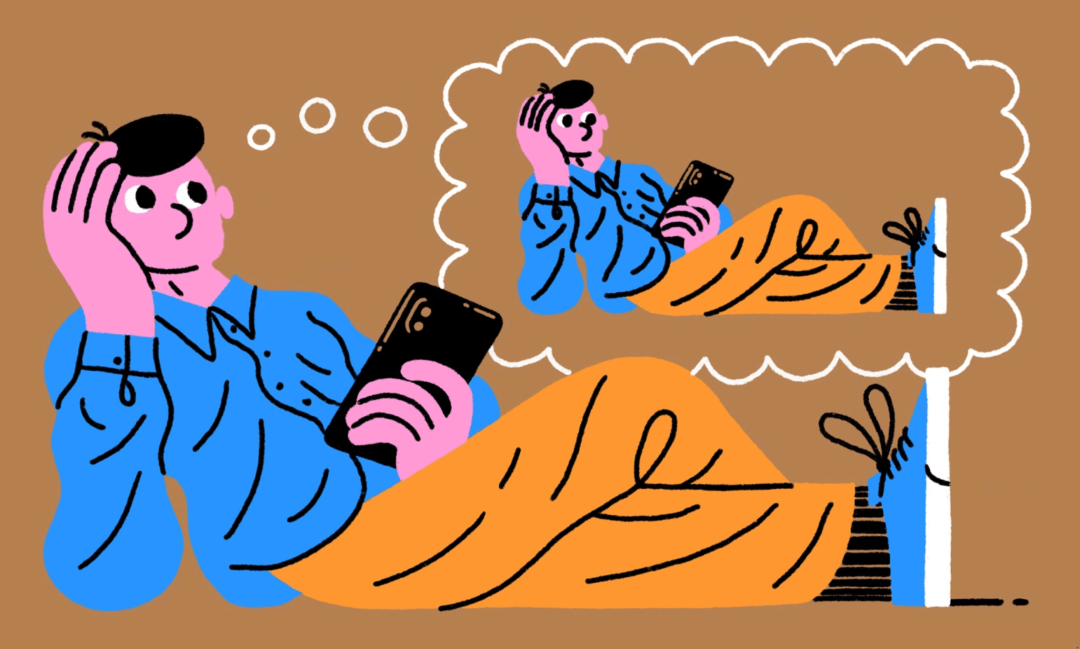
Everyone has put off a task at some point in their life. While some view it (in themselves or other people) as laziness, there might be something else at play.
每个人都会在人生的某个时刻推迟一项任务 。 虽然有些人认为(他们自己或别人)是懒惰 , 但可能另有原因在起作用 。
In psychology, it has long been believed that people who procrastinate have a faulty sense of time—that they think they will have more time to get something done than they actually do. While that may be true for some, more recent research suggests procrastination is linked to difficulty managing distress. psychology essay writing service on https://www.lxws.net/psychologydaixie.html
在心理学上 , 人们一直认为拖延症患者的时间感知能力是错误的 , 有拖延症的人认为自己会有更多的时间来完成某件事 , 而实际上他们并没有 。 虽然这对一些人来说可能是真的 , 但最近的研究表明 , 拖延症与难以管理压力有关 。
Specifically, it seems that task aversion is to blame—that is, when people view a task in an unpleasant manner ("It will be tough, boring, painful..."), they are more likely to put it off.
具体来说 , 拖延症的原因是因为人们厌恶这项工 。 也就是说 , 当人们以一种不愉快的方式看待一项任务(“它会很艰难、无聊、痛苦……”)时 , 他们更有可能推迟它 。
While procrastinators may be trying to avoid distress, this approach can ironically cause more distress in the long run. Procrastination can lead to increased stress, health problems, and poorer performance. Procrastinators tend to have more sleep issues and experience greater stressful regret than non-procrastinators. What's more, procrastination can also hinder your self-esteem with the guilt, shame, or self-critical thoughts that can result from putting off tasks.
虽然拖延者可能试图避免痛苦 , 但具有讽刺意味的是 , 从长远来看 , 这种方法会导致更多的痛苦 。 拖延症会导致压力增加、健康问题和表现不佳 。 与非拖延者相比 , 拖延者往往有更多的睡眠问题 , 经历更大的压力和遗憾 。 更重要的是 , 拖延还会因拖延任务而产生的负罪感、羞耻感或自我批评思想阻碍你的自尊 。
- 58同城|在办公室看到不认识的书法,不要随便读,小心被领导和同事笑话
- |认识八种青花料:帮你青花瓷断代
- 傅山|认识自己,艺术方得始终
- 湖南|湖南一男子野钓收获“肉球”,没见过也不认识,懂行的人却说值钱
- 女性文学|“假如没有女性文学,我无法认识自己” |当代文学女子图鉴
- 花和果|南宁的街角有很多阴生植物,这些花和果都很漂亮,你认识吗?
- 文安|离职后,原同事还认不认识你,完全取决于你自己的光芒
- 梁子|为什么一旦辞职了,同事就变得不认识我了?背后有啥说法?
- 大官&鲁迅后人如今都怎么样?儿子是赫赫有名的大官,侄孙你一定认识!
- 社交恐惧症&鬼谷子识人术:做人不能太老实,牢记4句口诀,教你识破他人